
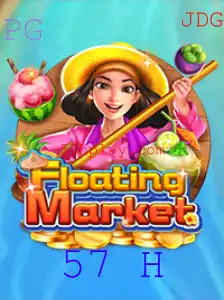
Introducing FloatingMarket: A Strategic Adventure
FloatingMarket is a captivating board game that draws players into a world of bustling trade and strategic negotiations. Set in a vivid open-air market on the water, this game challenges players to master the art of commerce, deftly navigating unpredictable circumstances to thrive in a complex economic landscape.
The Concept of FloatingMarket
In the heart of a lively and colorful market, players assume the roles of traders aiming to amass the greatest wealth. Each player must carefully plan their strategies, considering not only their resources but also the ever-shifting dynamics of supply and demand. With its immersive environment and engaging gameplay, FloatingMarket captures the essence of vibrant trading communities found across the globe.
How FloatingMarket Began
Inspired by the historic floating markets of Southeast Asia, FloatingMarket was conceived in response to the growing appreciation for culturally rich gaming experiences. The designers aimed to create a game that not only entertained but also offered insight into the intricacies of traditional trade practices. By mirroring real-world trading scenarios, FloatingMarket allows players to step into the shoes of a merchant striving to outwit their opponents.
Gameplay: Rules and Strategies
FloatingMarket is designed for 2-6 players, with each session lasting between 45 to 90 minutes. The game features a modular board representing the market and various goods available for trade, ensuring a unique experience with every playthrough.
Setup and Objective
The game begins with players receiving a set of resource cards, representing commodities. The central board is assembled to depict trading stalls with fluctuating values. Players aim to accumulate the highest value collection of goods by the end of the game.
Game Mechanics
FloatingMarket employs a turn-based strategy, where players engage in buying, selling, and negotiating to maximize their trade benefits. Each round, the market shifts based on supply and demand principles, requiring players to adapt their plans dynamically.
- Resource Cards: These represent the various goods players can acquire and trade.
- Market Stalls: Each stall offers different trading opportunities, with prices influenced by player actions.
- Event Cards: Random events can disrupt or enhance market conditions, adding a layer of unpredictability to the game.
Strategic Elements
Success in FloatingMarket hinges on a player’s ability to anticipate market trends and make shrewd investments. Timing is crucial, as prices can fluctuate dramatically, altering the value of goods. Players must carefully balance risk and reward, deciding when to hold onto resources or when to capitalize on a seller’s market.
Moreover, alliances and negotiations are key components. Players can form temporary partnerships, pooling resources for mutual benefit. However, these alliances are fragile and can shift, reflecting the fluctuating loyalties seen in real-world markets.
Integrating Current Events
FloatingMarket’s design also allows for the integration of contemporary themes. Recent global challenges, such as supply chain disruptions and changing economic policies, can be woven into gameplay. Event cards can simulate trade tariffs, embargoes, or technological advancements, keeping the game relevant and educational.
The Role of '57 H' in FloatingMarket
The term '57 H' within the game context serves as a special market event, symbolizing a sudden influx of high-demand goods. This represents a prime opportunity for players to capitalize on potential profits, but it also introduces heightened competition and market tension.
As players adapt to the fluctuating dynamics, they must recognize the significance of events like 57 H, which can redefine the trading landscape. This feature encourages strategic foresight and adaptability, essential skills for any aspiring master trader.